
It’s Monday morning. Your teen is dressed, backpack on, but they are sitting on the edge of the bed like their body has gone heavy.
You say, “Come on, you’ll be late.”
They say, “I can’t.”
And suddenly you’re holding two fears at once: is this defiance, anxiety, burnout, or something I’m missing?
Here is the reframe I want you to hold: when teens don’t feel safe, school gets harder. Not because they are lazy, and not because they don’t care, but because their brain shifts into protection mode. In protection mode, focus, memory, confidence, and social problem-solving all get harder.
The real question becomes: how do you help your teen feel safer so they can actually learn and cope?
What Psychological Safety Means for a Teen
Psychological safety is not the absence of challenge. It is the felt sense that:
- I won’t be humiliated for asking a question.
- I can make a mistake without being crushed.
- Adults will be fair and respectful, even when I’m struggling.
- I have at least one safe person at school.
- I belong here.
This matters because learning is an interpersonal risk. You raise your hand. You read out loud. You try a new concept. You get something wrong. If a teen expects embarrassment, they stop taking healthy risks, and school gets harder fast.
In my doctoral research with teens in psychiatric care, young people did not ask for perfect adults. They asked for adults who felt safe: supportive, calm, respectful, not shaming, willing to listen, and able to hold hard feelings without making things worse. When those conditions existed, teens were more willing to speak, ask for help, and try again.
That is psychological safety in teen language.
What “Not Safe” Can Look Like, Even Without Obvious Bullying
Many parents look for one big event. Many teens live with a hundred small cues that add up to “I don’t feel safe here.”
Subtle signs school may not feel psychologically safe for your teen:
- They stop asking questions or participating in class
- They become unusually irritable on school nights
- They complain of headaches or stomach aches before school
- They become perfectionistic or panicky about mistakes
- They avoid one specific class, hallway, or teacher
- They come home and immediately shut down, straight to bed or straight to a screen
- They say “I hate school” but cannot explain it clearly
These are often nervous system signals, not attitude problems.
What Parents Can Do
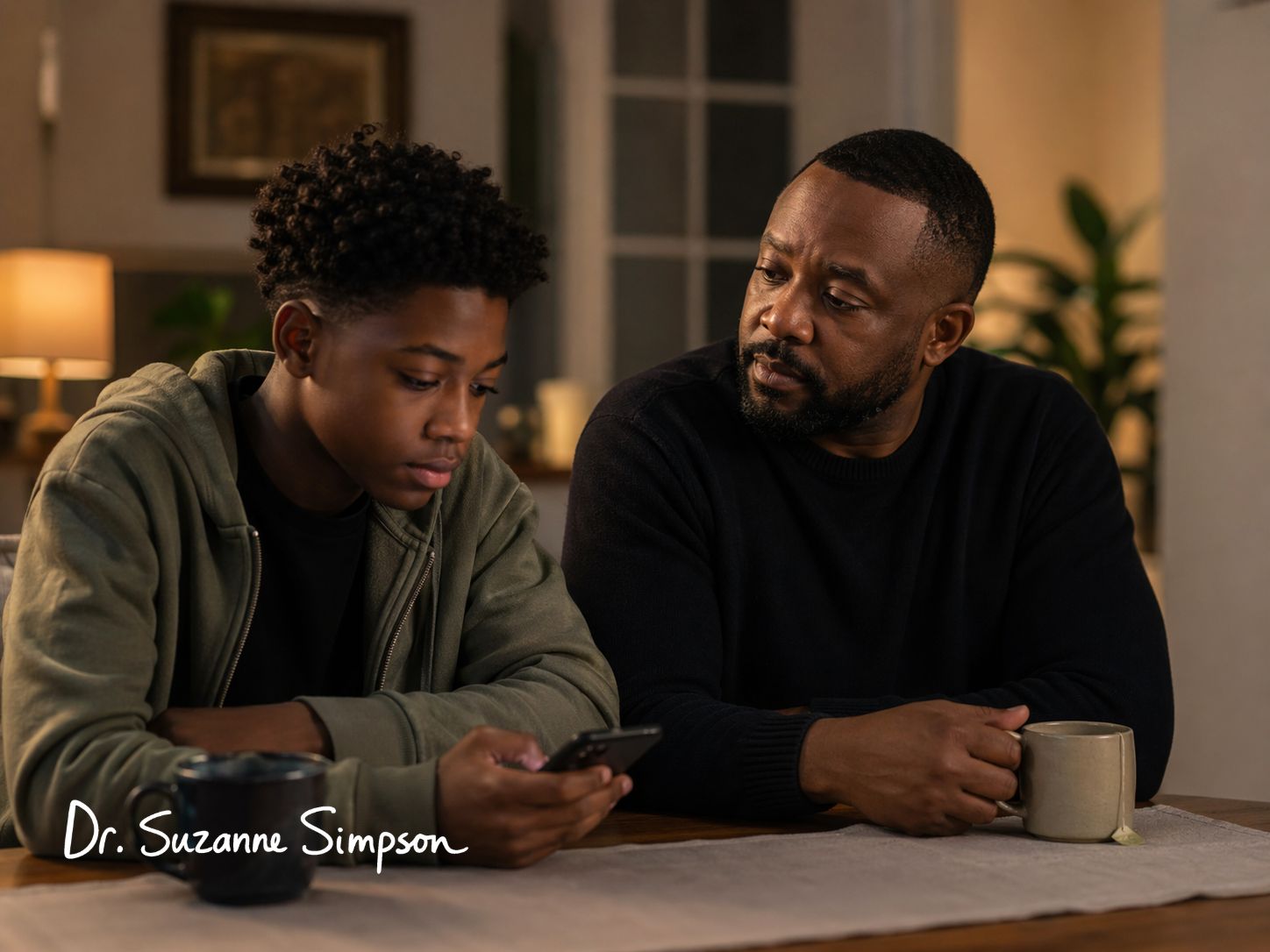
Create a safe landing after school. School can be eight hours of managing pressure, social signals, noise, expectations, and comparison. Your home can become the place your teen’s nervous system learns it can exhale. Pick one low-demand ritual you can actually repeat: a snack ready and ten minutes of quiet presence, a short walk, sitting nearby while they decompress. Try saying: “I’m glad you’re home. You don’t have to talk right away. I’m here.”
Ask questions that feel safe, not interrogating. “How was your day?” often gets “Fine” because the question is too big. Try smaller, more specific questions: “What was the hardest moment today?” “Was there a moment you felt small or singled out?” “Was there a moment you felt seen?”
Remove shame as a motivator. Many teens are not under-motivated. They are over-pressured. Shame might create short-term compliance. It often creates long-term shutdown. Replace “You’re throwing your future away” with “Something is making school feel unsafe or too heavy. Let’s figure out what support would help.”
Help them find one safe adult at school. One trusted adult can change a teen’s entire school experience. It might be a counsellor, learning support teacher, coach, or education assistant. Ask: “Is there one adult at school you could talk to, even a little?”
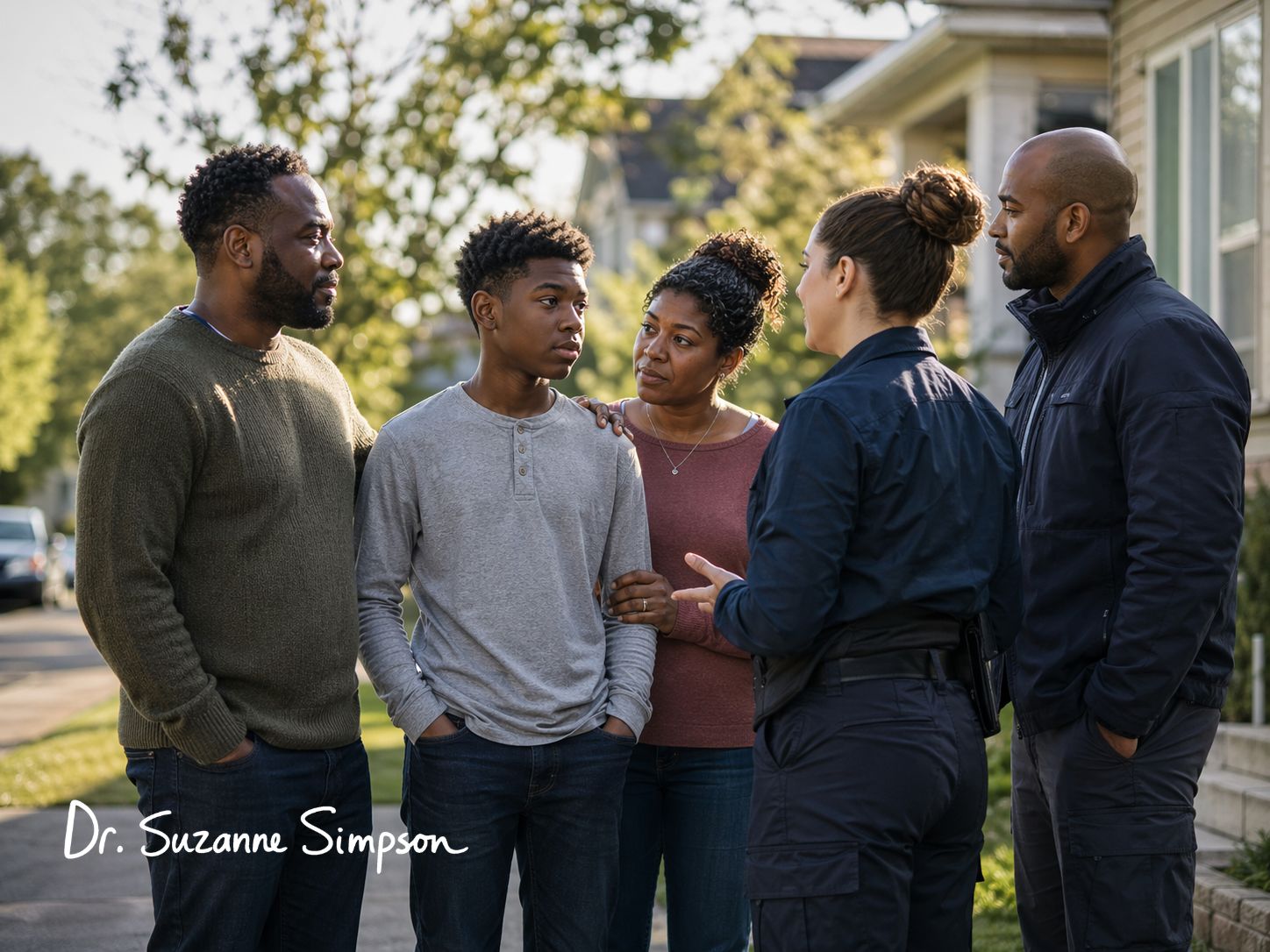
Partner with the school early, not after a collapse. Meeting or email script: “We’re noticing increased stress and shutdown connected to school. We want to support learning and protect mental health. Can we meet to discuss supports that increase psychological safety, such as predictable expectations, private correction instead of public calling-out, a safe check-in adult, and a plan for overwhelmed moments?”
A Simple Psychological Safety Plan for School
Build this with your teen, not for them.
Identify the hardest moments. Where do you feel most tense? Lunch, group work, certain classes, transitions?
Choose two safety moves. A quiet pass to a counsellor or designated safe space. Permission to get water or take a brief walk. A predictable check-in with one adult. Seating changes.
Pick one sentence they can use when flooded. “I need a minute.” “I’m feeling overwhelmed.” “Can you explain that more slowly?”
Decide what you will do. Contact the school with clear requests. Track patterns: which days, which classes, which triggers. Protect sleep and recovery rhythms at home.
Safety Is Not Softness. It Is the Ground They Stand On.
When teens feel safer, they take more healthy risks: asking questions, trying again, staying in the room when it is hard, reaching out instead of shutting down. That is when school gets easier.
Not because life is easier. Because their nervous system is no longer stuck in protection mode.
School success is not only about effort. It is also about felt safety. When you help your teen feel safer, you are not lowering the bar. You are building the ground they need to stand on.
Visit drsuzannesimpson.com for more practical tools, keynotes, and workshops on teen mental health and school connection.
Disclaimer: The contents of this blog are for educational purposes only and are not a substitute for professional advice, diagnosis, or treatment. My scope of practice is as an educator. Testimonials of lived experiences are opinion only and have not been scientifically evaluated.
Walking with you to get on their turf, Dr. Suzanne Simpson