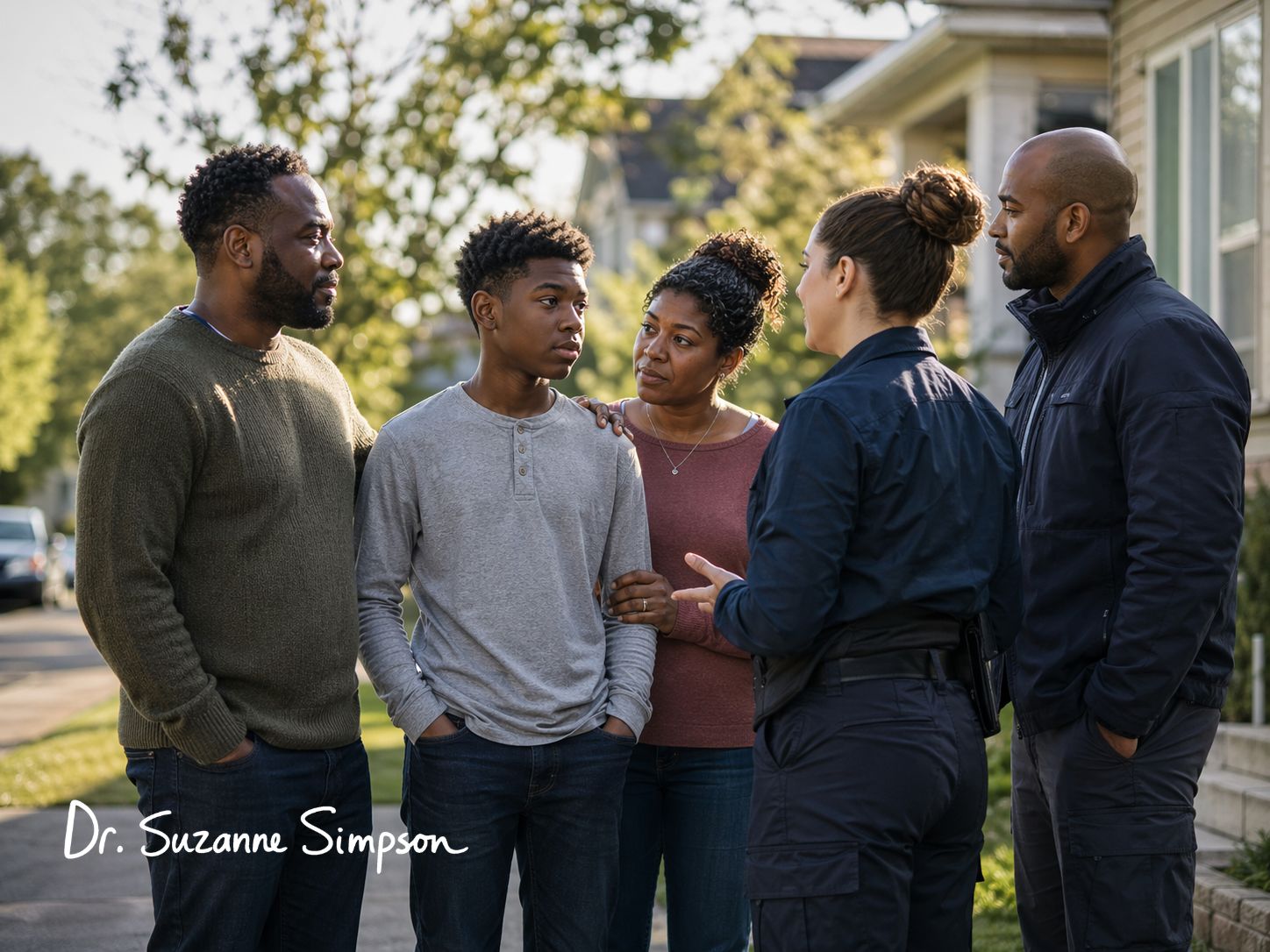

Across Canada, schools are carrying more than lesson plans.
You are seeing more anxiety and shutdown in classrooms, more risky behaviour outside of them, and more parents who are scared, exhausted, and unsure what to do next.
At the same time, schools are being asked to be learning centres, safety nets, and mental health hubs all at once. It is a lot to hold.
The good news is: you do not have to do this alone. One of the most powerful tools a school can offer is structured, compassionate support for parents through thoughtful, research-informed parenting workshops for schools.
Why Parent Education Is Essential to Teen Mental Health
When I worked in a youth psychiatric unit for several years, I saw the same pattern again and again.
Teens who were in deep distress often carried two quiet beliefs: “I do not matter.” And: “I do not belong.”
In my doctoral research, I asked 25 of these teens what they needed most as their mental health worsened and substance use increased. They did not ask for more programmes. They named support, understanding, and care from the adults around them, especially at home.
Parents desperately wanted to help. But many admitted they did not know how to respond without making things worse.
Large-scale research continues to show that when students feel connected to the adults around them, at home and at school, they are less likely to experience poor mental health, substance use, or violence, and more likely to succeed academically.
When schools invest in parent education nights, parenting workshops for schools, and ongoing family-school partnerships: parents feel less blamed and less alone. They gain concrete tools for responding to crisis and everyday conflict. And students experience stronger school connectedness, which is a proven protective factor for teen mental health.
Parent education is not an extra. It is part of a comprehensive approach to student wellbeing.
What Effective Parenting Workshops for Schools Look Like
Not all sessions land the same way. The most effective workshops I deliver as a teen mental health speaker in Canada have a few things in common.
Grounded in research, spoken in plain language. Parents do not need more jargon. They need real stories from classrooms and psych units, and tools they can use this week.
Centred on connection, not control. We focus on how to connect with your teenager, not how to fix them. Parents learn how support, understanding, and care can reduce conflict and risky behaviour, even when they cannot change every external stress.
Honest about parent stress. Many parents are carrying their own anxiety, burnout, or isolation. When we acknowledge that reality, they feel seen rather than judged, and they become more open to learning.
Practical and script-based. Parents leave with real phrases they can try at home:
- “Thanks for telling me that.”
- “Help me understand what this feels like for you.”
- “I care more about you than this mark.”
We work through real-life scenarios: shutdown, conflict over phones, late-night panic, school refusal.
Clear next steps. Workshops point parents toward school counsellors, in-school supports, and local community resources. Parents walk away knowing what they can do tonight, and who they can reach if they need more help.
Topics That Serve Both Parents and Schools
Schools and districts invite me in as a parenting keynote speaker or school mental health speaker for sessions like:
- Teens in crisis: how to stay connected when you are scared
- Risky behaviour and substances: what actually protects youth
- When your teen shuts down: how to reach them without pushing them away
- Support, understanding, and care: what teens in psychiatric care said they needed most
- Getting on their turf: practical ways to connect with your teen where they already are
Each talk is tailored to your community: your school’s values, the realities your staff are seeing, and the cultural and local context of your families. The goal is always the same: stronger, safer relationships around every student.
How a School or District Can Get Started
Step 1: Name the need out loud. Are you responding to a recent crisis, an ongoing pattern, or both? Where is the strain showing up most? Putting language to the need helps you choose the right kind of parent education night or workshop.
Step 2: Choose the audience and format. You might start with a parent evening focused on one key topic, such as “Teens in Crisis: Staying Connected When You Are Scared.” Or a combined event for parents and caregivers. Or a staff session first, so educators share the same language before the parent night builds on that foundation.
Step 3: Partner with the right teen mental health speaker. Look for someone grounded in research, not just opinion. Someone with lived experience in schools and youth mental health settings. Someone who speaks in plain, compassionate language and holds both the young person and the adults trying to support them with respect.
The right partner becomes an extension of your school’s care for families, not a one-off event.
How I Support Schools and Districts
As a teen mental health speaker in Canada, former classroom teacher, and educator who has spent years working in a youth psychiatric unit, I partner with schools and districts to offer:
- Keynote talks for parent education nights, conferences, and district events
- Parenting workshops for schools focused on connection, communication, and getting on your child’s turf
- Sessions for educators on how student behaviour often signals need rather than defiance, and how to respond with clarity and care
Every session is rooted in my doctoral research with youth in psychiatric care and in real stories from the classroom. The focus is always practical: what can adults do differently on Monday morning, and at the kitchen table on Monday night?
If you are looking for parenting workshops for schools or a teen mental health keynote speaker for your community, I would love to connect and talk about what would serve your students, staff, and families best.
Visit drsuzannesimpson.com to learn more about keynotes and workshops.
Disclaimer: The contents of this blog are for educational purposes only and are not a substitute for professional advice, diagnosis, or treatment. My scope of practice is as an educator. Testimonials of lived experiences are opinion only and have not been scientifically evaluated.
Walking with you to get on their turf, Dr. Suzanne Simpson