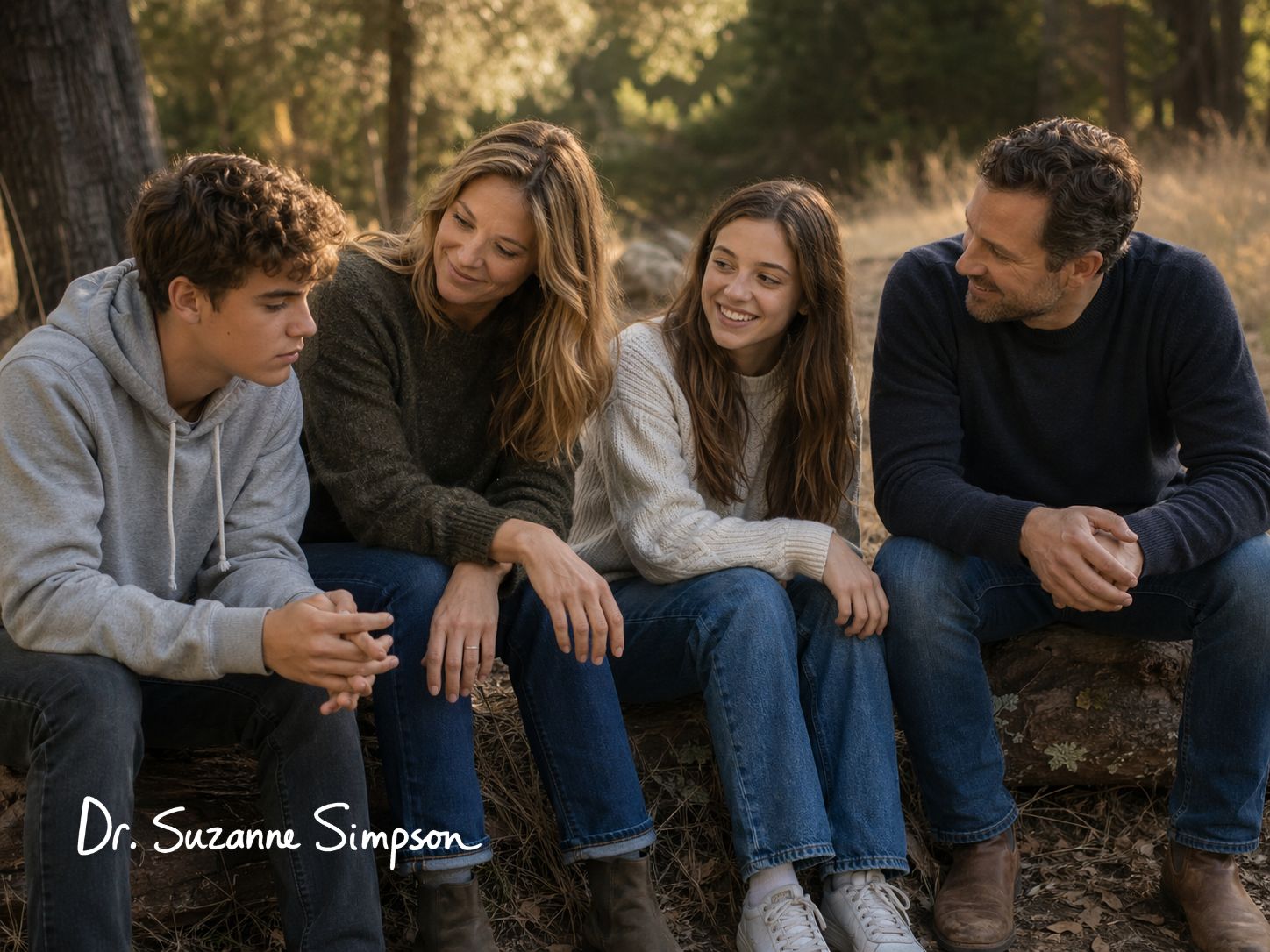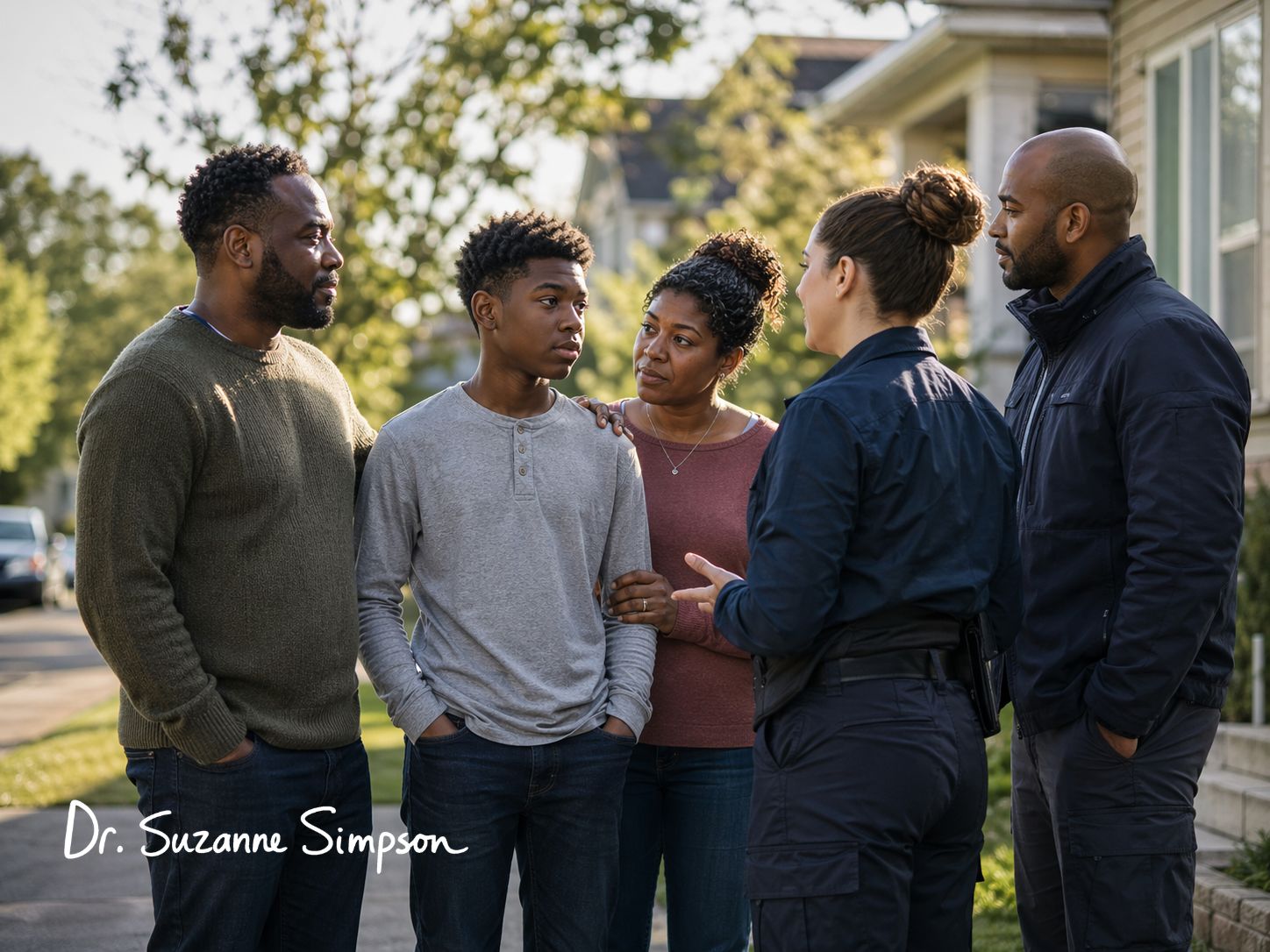
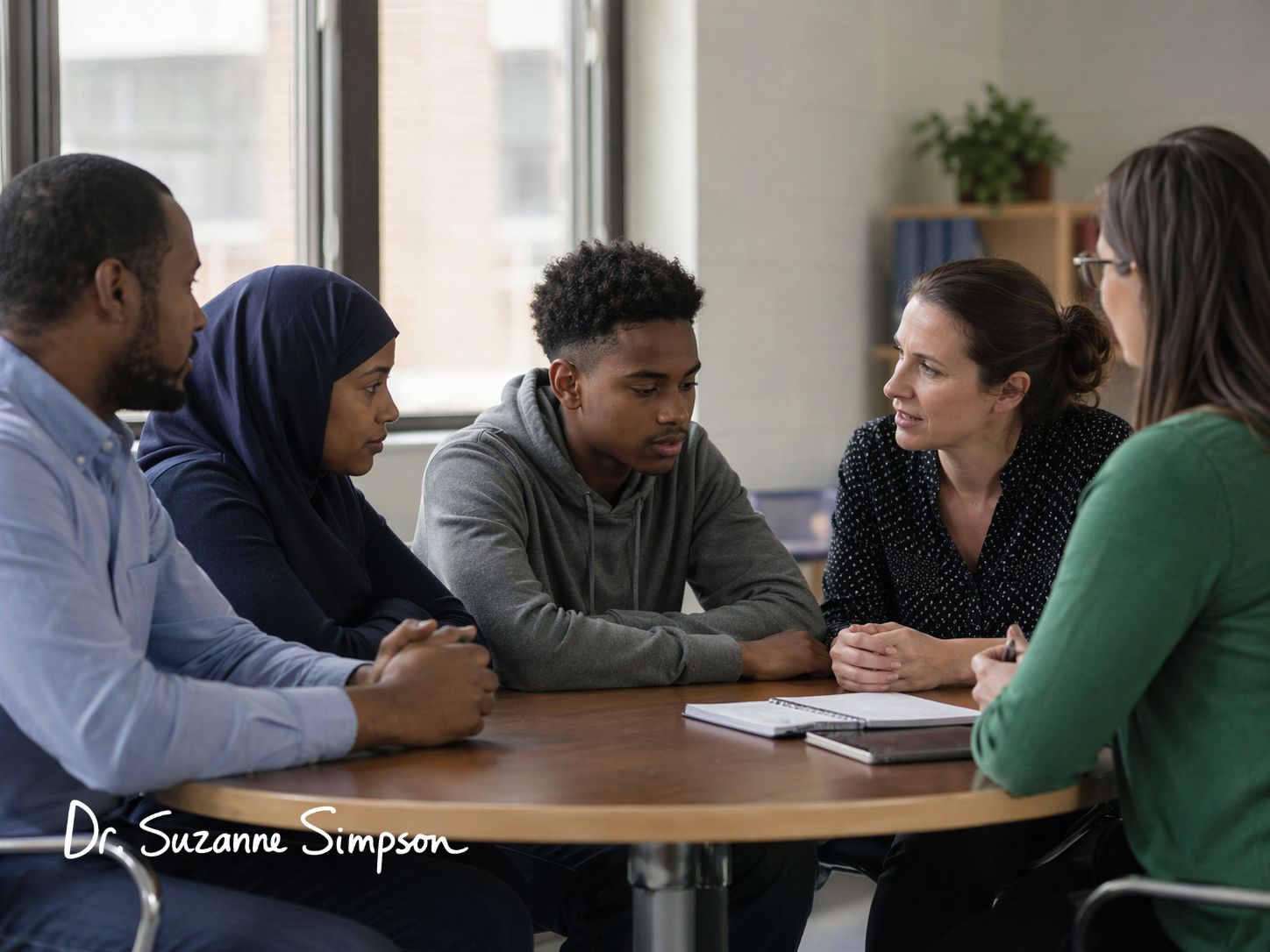
Most families I meet want the same three things for their teens and tweens.
They want them to feel safe. They want them to keep learning. They want them to know they matter.
Most educators I meet want the exact same things.
It can be easy to forget that when you are parenting teens and tweens and your inbox is full of school messages. It can feel like home and school are on opposite sides, trying to solve the same puzzle separately.
In reality, something very different is possible.
When the relationship between school and parents is built on shared awareness instead of blame, teens feel that in their nervous system. They feel held, not pushed. Seen, not managed.
This blog is about what that can look like.
We All Want the Same Thing, Even When It Looks Messy
If you are parenting teens and tweens, you might recognise this kind of week.
You are trying to get everyone out the door on time. Your teen is quiet, with their hood up and headphones in. You receive a note from school about missing assignments. You wonder, quietly: am I failing them somehow?
On the other side of town, a teacher is looking at the same child from a different angle. They see a student who used to raise their hand and now avoids eye contact. They wonder: how can I help without making things worse?
Neither adult is the enemy. Both are doing what they know.
What surprised me, over and over in my research on teen mental health, was how often young people could feel the love underneath the clumsy moments. They knew their parents cared. Many also knew their teachers cared. What they were missing was a sense that the adults were connected and paying attention to the same story.
They wanted the adults in their life to move from separate efforts to shared awareness.
Support. Understanding. Care. Working together.
The Circle Around Your Teen
One image I often share with parents and schools is a simple circle around the young person.
Inside the circle is your teen, with their thoughts, feelings, behaviour, and story. Around the circle are parents and caregivers, teachers and school staff, counsellors and other helpers.
No one in that circle has the full picture on their own. Each person sees a part of your child’s world. When those parts stay separate, your teen may feel like they are living three different lives: home, school, and internal.
When adults share awareness, the circle becomes stronger.
A teacher can say: “I notice they seem very tired in the morning and more engaged in the afternoon.” A parent can say: “Evenings are hard right now. They have trouble settling.” A counsellor can say: “They are carrying a lot of worry about school and about home.”
No one person has to fix everything. Each person adds a piece to the picture. The young person is no longer the only one trying to hold it all.
Small Patterns That Change the Experience
You do not need a major programme to build partnership between schools and parents. You need small, consistent patterns.
Warm first contact. Instead of the first email being about missing assignments or behaviour, the first contact highlights strengths and care. “I want you to know I really enjoy your child.” “Here is something I see them doing well.” “Here is one area where I think we could support them together.” Parents feel less defensive. Teens feel less like a problem.
Honest information, shared gently. When a young person is struggling, both home and school see evidence of it. When adults share these observations without blame, everyone becomes more informed and can respond with empathy instead of assumption.
Early check-ins instead of rescue missions. It is very common for schools to wait until there is a crisis before calling a meeting. By then, everyone is exhausted and scared. A short, early check-in, even ten minutes, can prevent months of confusion later. It signals to your teen: the adults are on this. You are not alone.
Where Your Teen’s Voice Fits
When we talk about school and parents working together, it is easy to leave the young person out of the conversation.
Yet one of the strongest protective factors for teen mental health is the sense that they have a voice in their own life.
This does not mean asking them to take on adult responsibilities. It means making room for them to speak in age-appropriate ways.
You and your teen write a short email together to a teacher about something that is hard for them at school. Your teen attends part of a meeting and shares what helps them focus or feel safe. A teacher asks your teen directly: “What is one thing that would make this class easier to handle right now?” and listens.
These small moments teach self-advocacy and school connectedness. They show your teen that school is not something done to them, and home is not something done for them. They are part of the circle.
A Different Story Is Possible
If you were to imagine a different story for your family and your school, it might sound something like this.
A parent feels worried, but not alone. They know who to contact. They know the school wants to partner.
A teacher feels stretched, but not helpless. They know a quick email or short meeting can open the door to support.
A teen feels overwhelmed at times, but not invisible. They know adults are talking to each other, and they have chances to speak up themselves.
Everyone is still human. There are still hard mornings, missed assignments, and imperfect conversations. But underneath those, there is a shared understanding: we are on the same side. We all want you to be safe, to learn, and to know that you matter.
If you want more tools to connect with your child and work alongside their school, you will find stories, language, and practical ideas on the Get on Their Turf podcast. And if you are a school or community organisation looking for a parenting keynote speaker or school mental health speaker, I would love to connect.
Visit drsuzannesimpson.com to learn more.
Disclaimer: The contents of this blog are for educational purposes only and are not a substitute for professional advice, diagnosis, or treatment. My scope of practice is as an educator. Testimonials of lived experiences are opinion only and have not been scientifically evaluated.
Walking with you to get on their turf, Dr. Suzanne Simpson